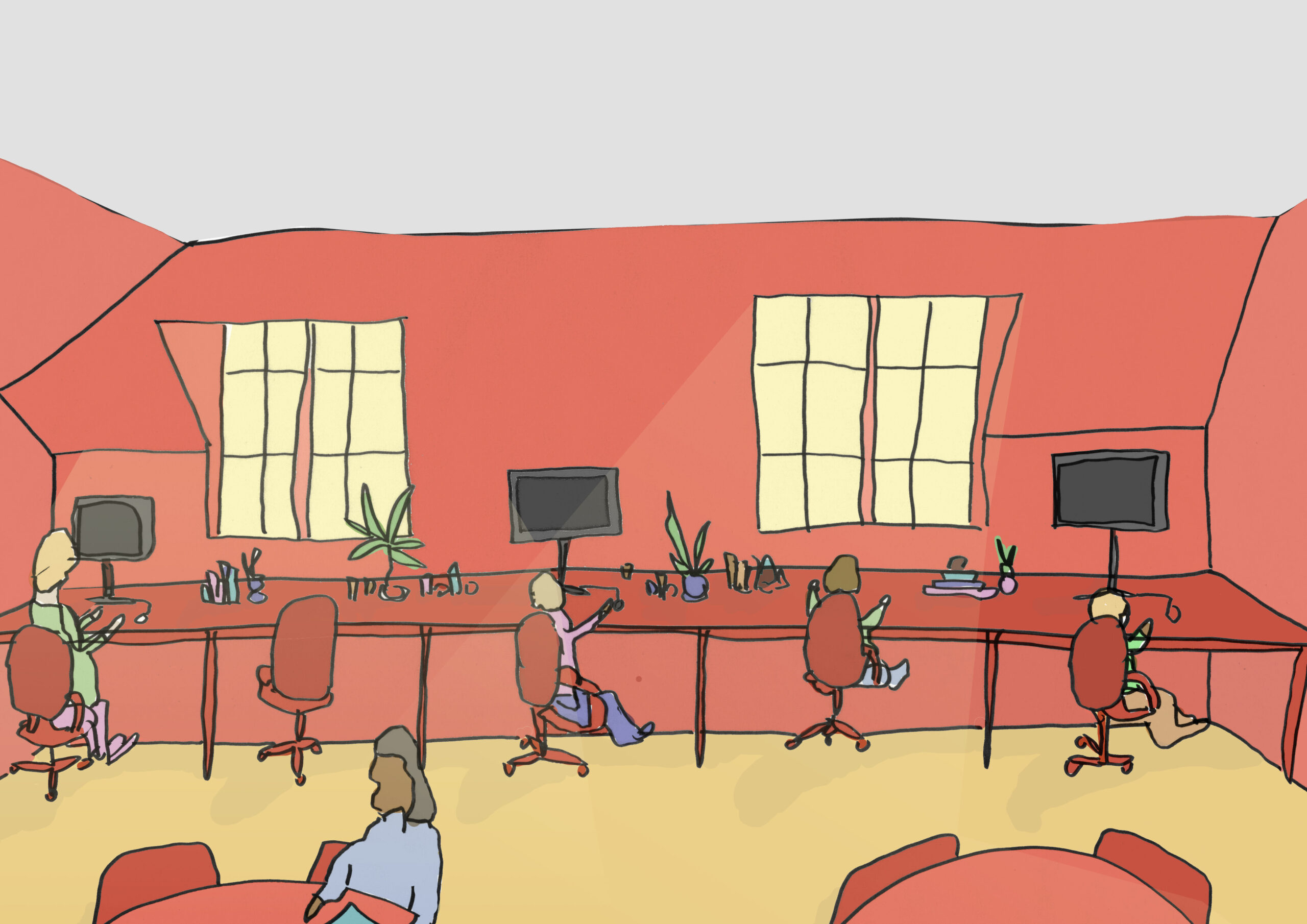
A community vision for 100 Tower Gardens Road
Tower Gardens Community Corner (TGCC) is a resident-led coalition committed to taking immediate, restorative action for our neighbourhood.
The White Hart Lane ward, in which Tower Gardens is located, is one of the most deprived in the London Borough of Haringey and in England. It also has no community space. The prominent building at 100 Tower Gardens Road (100 TG) – historically the estate office and later a SureStart centre – has been left empty, deteriorating and holding the lowest possible energy rating. With the building now on Haringey Council’s disposals list, a critical opportunity has emerged to reclaim this vital local asset.
Our manifesto is simple: We will purchase this historic asset, transform it through community action, and use operational surplus generated to invest in the health, sustainability, and resilience of Tower Gardens and the wider neighbourhood.
This aligns perfectly with the strategic priorities of Haringey Council’s new Draft Local Plan, positioning TGCC as a key partner in delivering the borough’s goals for placemaking, sustainability, and social infrastructure.
Stage 1: Securing and sustaining our historic asset
The first priority is acquisition and renewal, reversing years of neglect to protect this valuable piece of social architecture heritage.
Acquisition: Raise capital to purchase 100 Tower Gardens Road and put it in a trust, guaranteeing that it remains permanently dedicated to local community use, fulfilling the long-term needs and desires of residents.
Community-led retrofit: Transform the building into a sustainable and cost-saving exemplar. The retrofit will act as a pilot and hub, offering local residents’ opportunities to learn about energy efficiency and building skills relevant to their own homes and the conservation area, and then in collaboration with Haringey Council we shall design best practice guidance for all houses on the estate.
Stage 2: Creating a thriving neighbourhood hub
We will provide the flexible, accessible, multi-use space the community has demanded, operating as a genuine resource for all ages and needs.
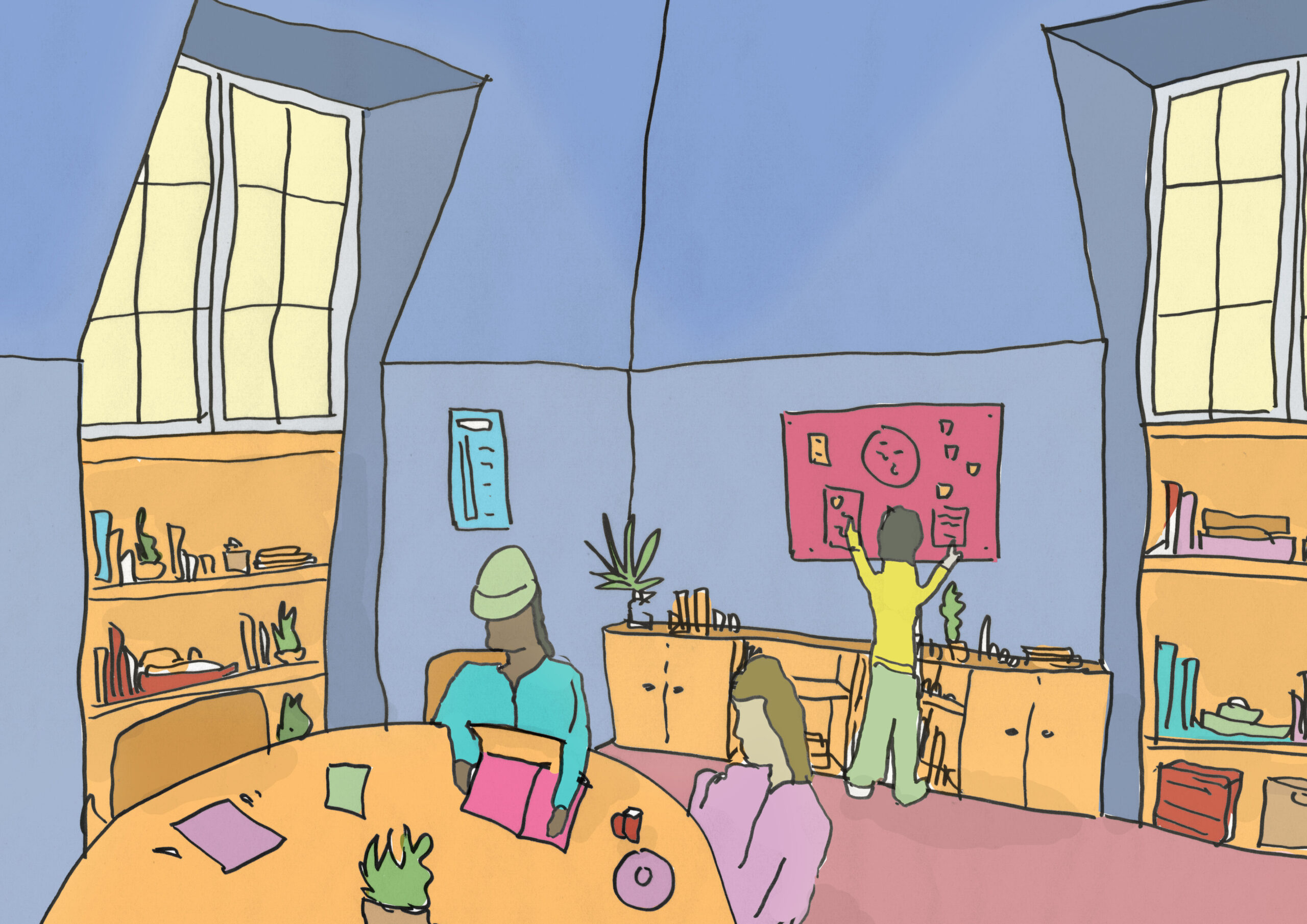
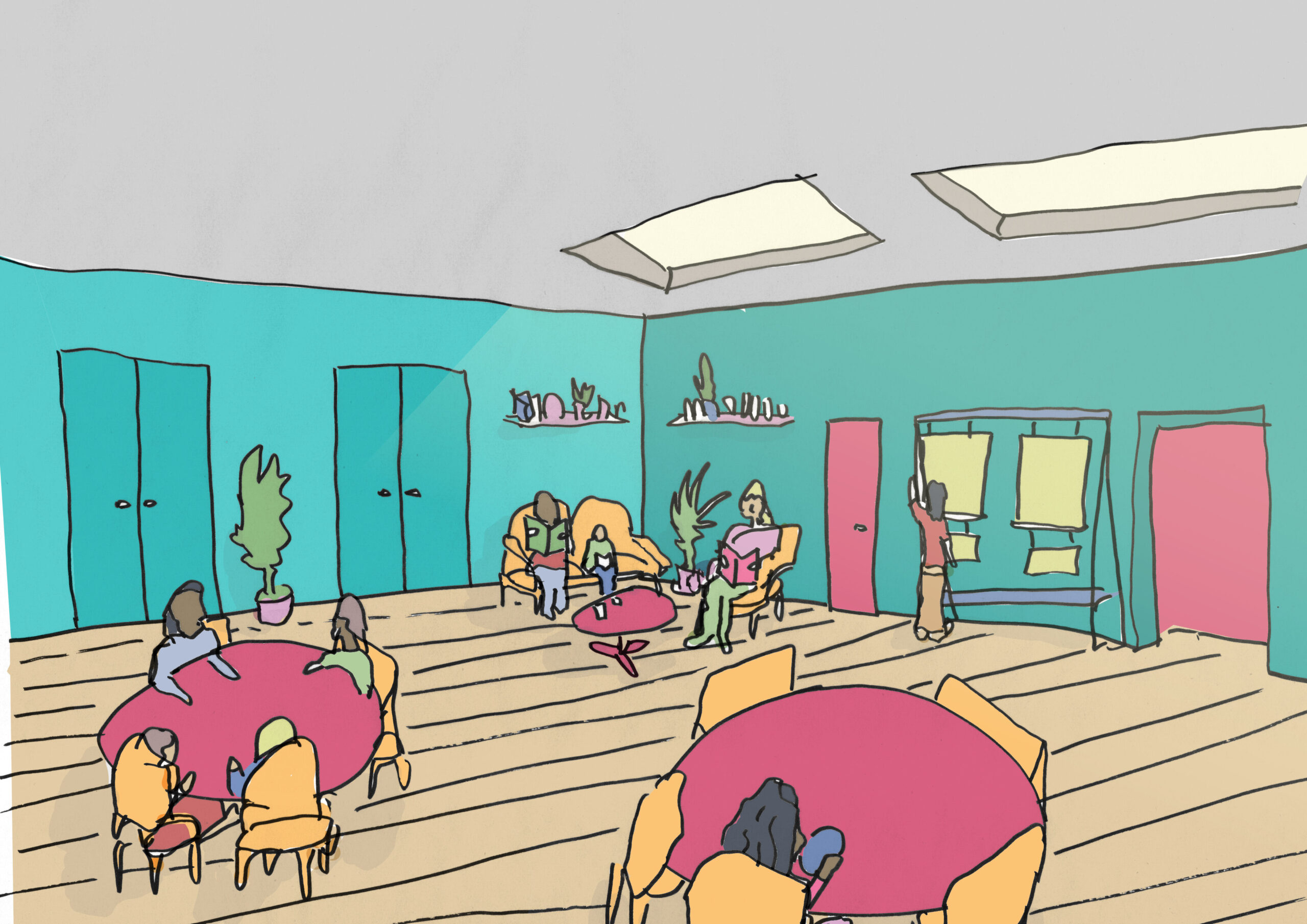
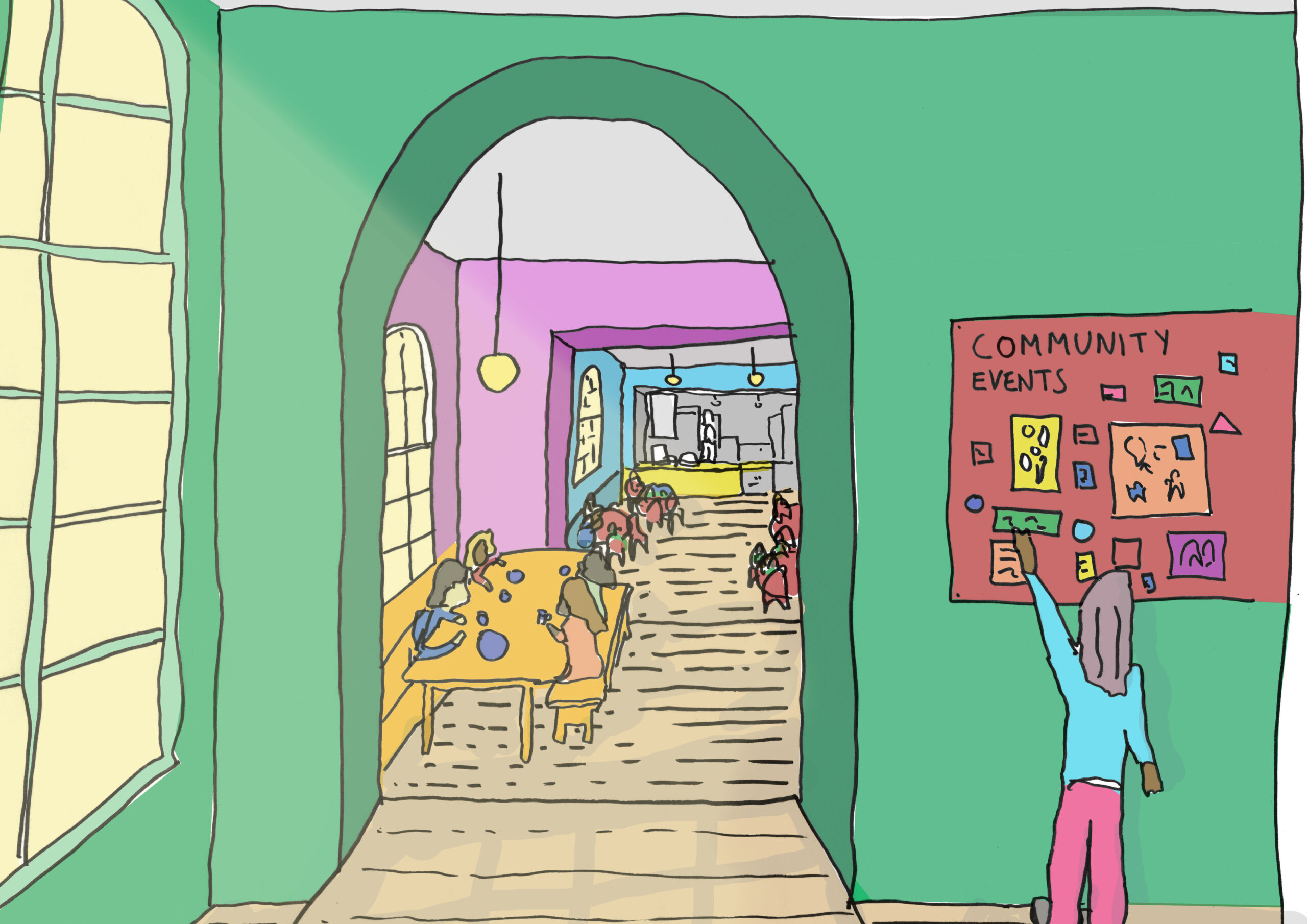
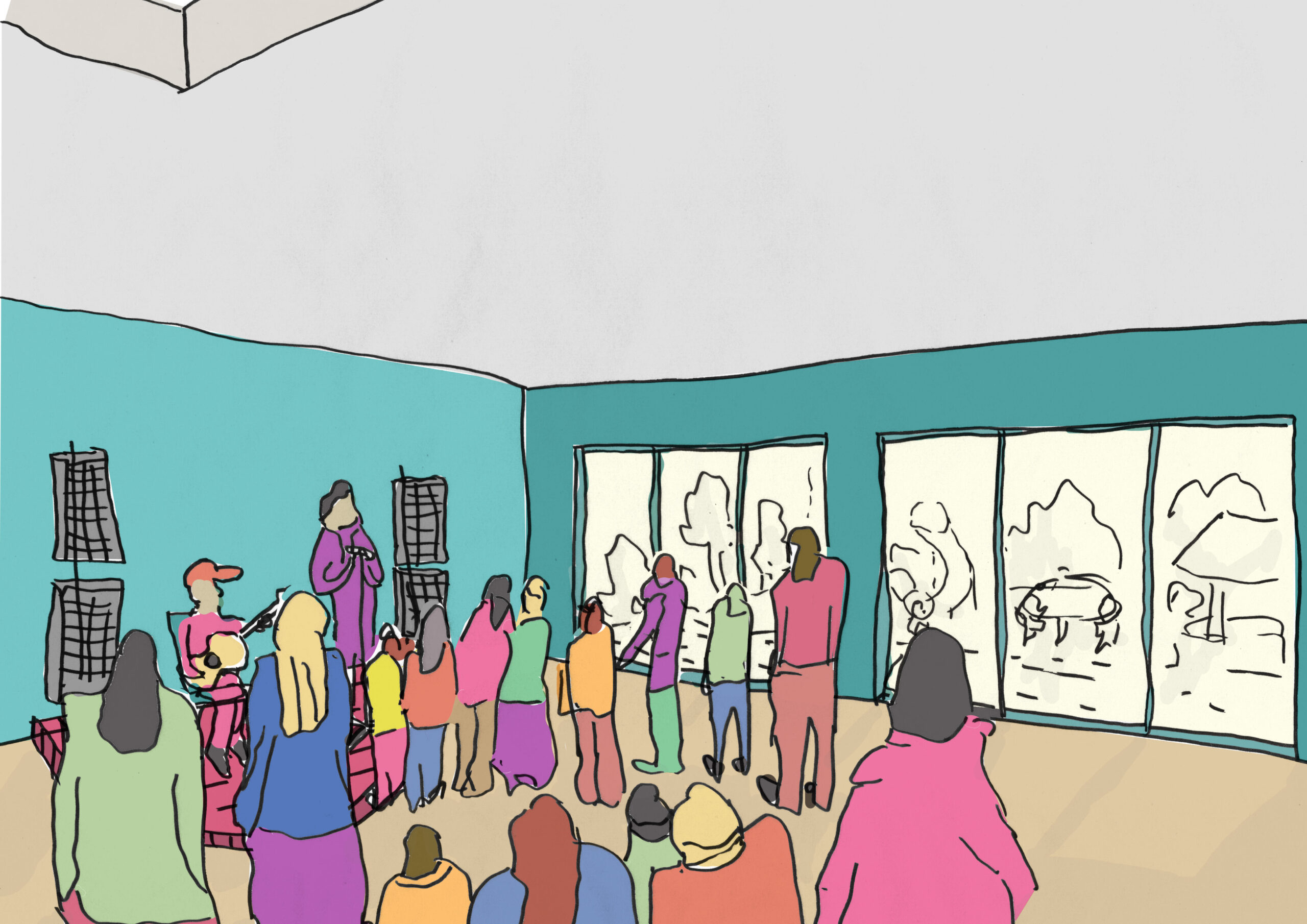
A public living room: A welcoming space for informal gathering, intergenerational activities, social clubs, local exhibitions and small concerts.
A social enterprise space: The upper floors will be available as hireable office/desk space and meeting rooms, generating revenue to achieve operational independence.
A support and learning centre: Hosting essential services, workshops, adult learning, and more in collaboration with local partners.
A resource for community groups: Dedicated spaces for tool storage for local groups like Haringey Fixers and Friends of Tower Gardens Park.
A heritage engagement programme: A permanent exhibition and information boards, detailing the history of the White Hart Lane Estate, its architecture, and the pioneering work of the London County Council (LCC).
Stage 3: Reinvesting in our community and environment
Our commitment to the community means the building’s success will fund wider sustainability of the estate. Projected operational surplus will allow reinvestment in the neighbourhood.
Social subsidies and empowerment
Community support: Fund activities and services that directly address local concerns, such as cost-of-living crises, health and wellbeing initiatives; and support local volunteering and training efforts.
Affordable access: Utilise surplus funds to further subsidise rental rates for local artists, makers, and smaller community groups, ensuring the space remains accessible.
Environmental and resilience projects
Estate-wide energy efficiency: Dedicate funds to run environmental and sustainability projects on the estate, leveraging the skills gained through the retrofit pilot to improve energy efficiency in Tower Gardens more generally.
Park and green spaces: Provide financial and practical support, e.g. communal growing spaces to Friends of the Park, ensuring investment in the local park, and other green spaces.
Local adaptation: Fund projects to address future environmental impact on the neighbourhood, e.g. exploring solutions for increased flood risk, or preparing older homes for extreme heat.